
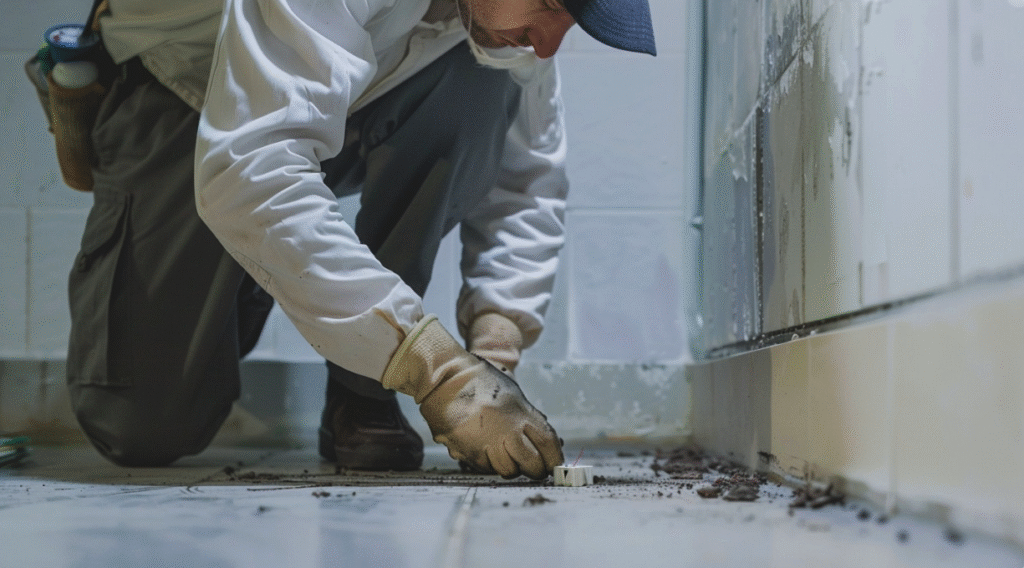
Termite Treatments: Protecting Your Investment
California experiences some of the highest termite activity in the nation, yet many Corona homeowners delay termite treatments because they haven't seen visible damage. Subterranean termites consume wood from the inside out, often causing thousands of dollars in structural damage before homeowners notice mud tubes or hollow-sounding wood. Drywood termites leave even fewer signs until infestations become severe.
Professional termite management includes comprehensive inspections using moisture meters and acoustic detection devices, liquid soil treatments that create protective barriers around foundations, and monitoring systems that detect termite activity before colonies establish. Annual inspections catch problems early when treatment costs remain manageable and structural damage stays minimal.
Bed Bug Extermination: Why DIY Methods Fail
Bed bug extermination represents one of the most challenging pest control scenarios because these insects have developed resistance to many common insecticides. They hide in cracks as thin as a credit card, survive months without feeding, and reproduce quickly once established. Throwing away infested furniture rarely solves the problem since bed bugs often inhabit multiple rooms by the time homeowners notice bites.
Effective elimination requires either heat treatments that raise room temperatures to lethal levels for sustained periods or multiple chemical applications using products unavailable to consumers. Professional technicians also inspect adjacent rooms and provide preparation instructions that significantly impact treatment success. Attempting DIY bed bug control typically extends infestations and increases total costs.
Year-Round Protection for Corona Properties
Corona's Mediterranean climate means pest pressure never truly stops. Warm winters allow many insect species to remain active year-round rather than entering dormancy. Spring brings increased ant activity as colonies expand. Summer heat drives pests indoors seeking water sources. Fall sees spiders and rodents moving into structures as outdoor conditions change.
Recurring pest management maintains protective barriers, monitors for emerging problems, and adjusts treatments based on seasonal pest patterns. This proactive approach prevents infestations rather than just reacting to them after pests have already established populations inside your property.